Benefits of Hydrotherapy

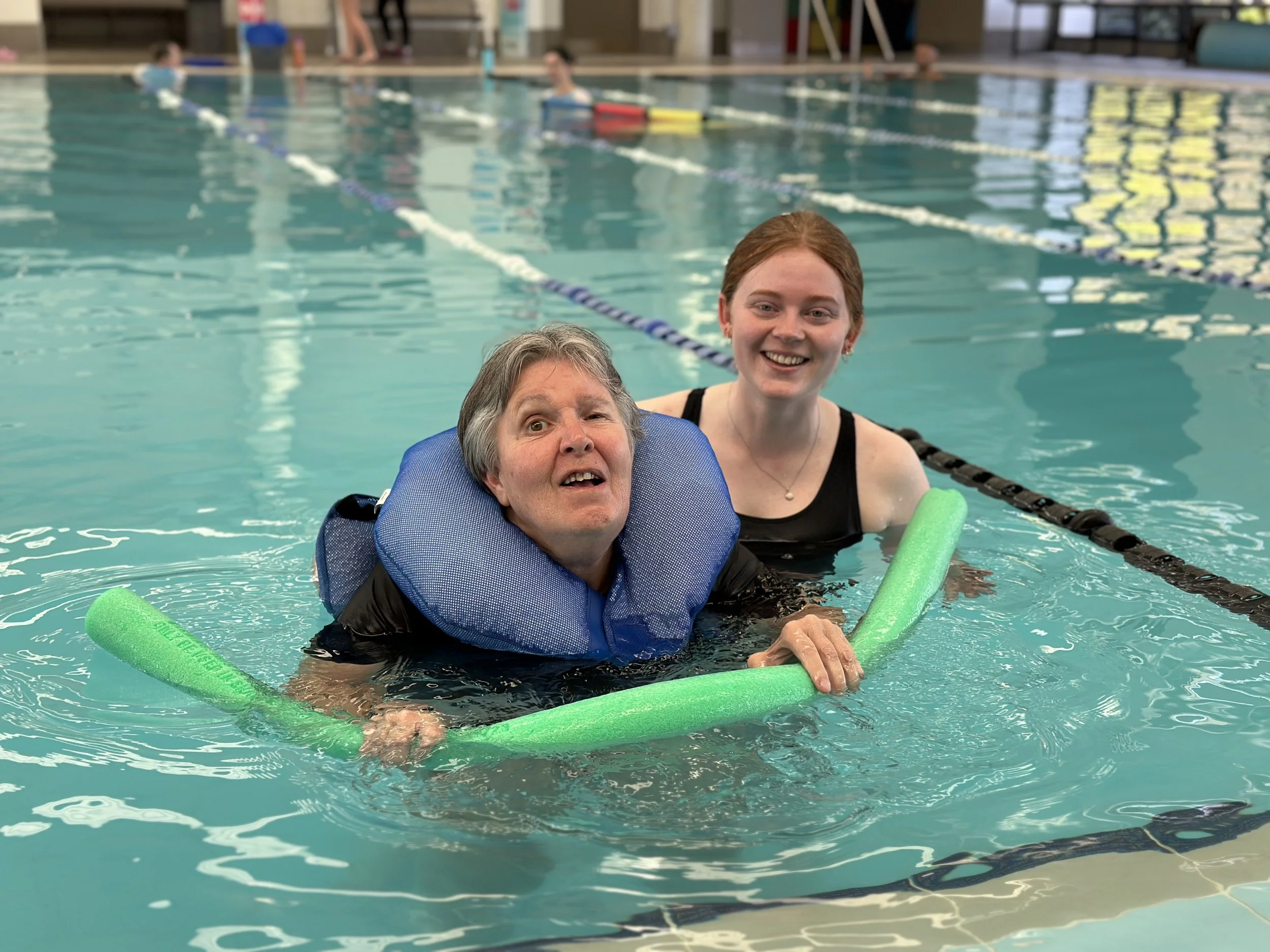
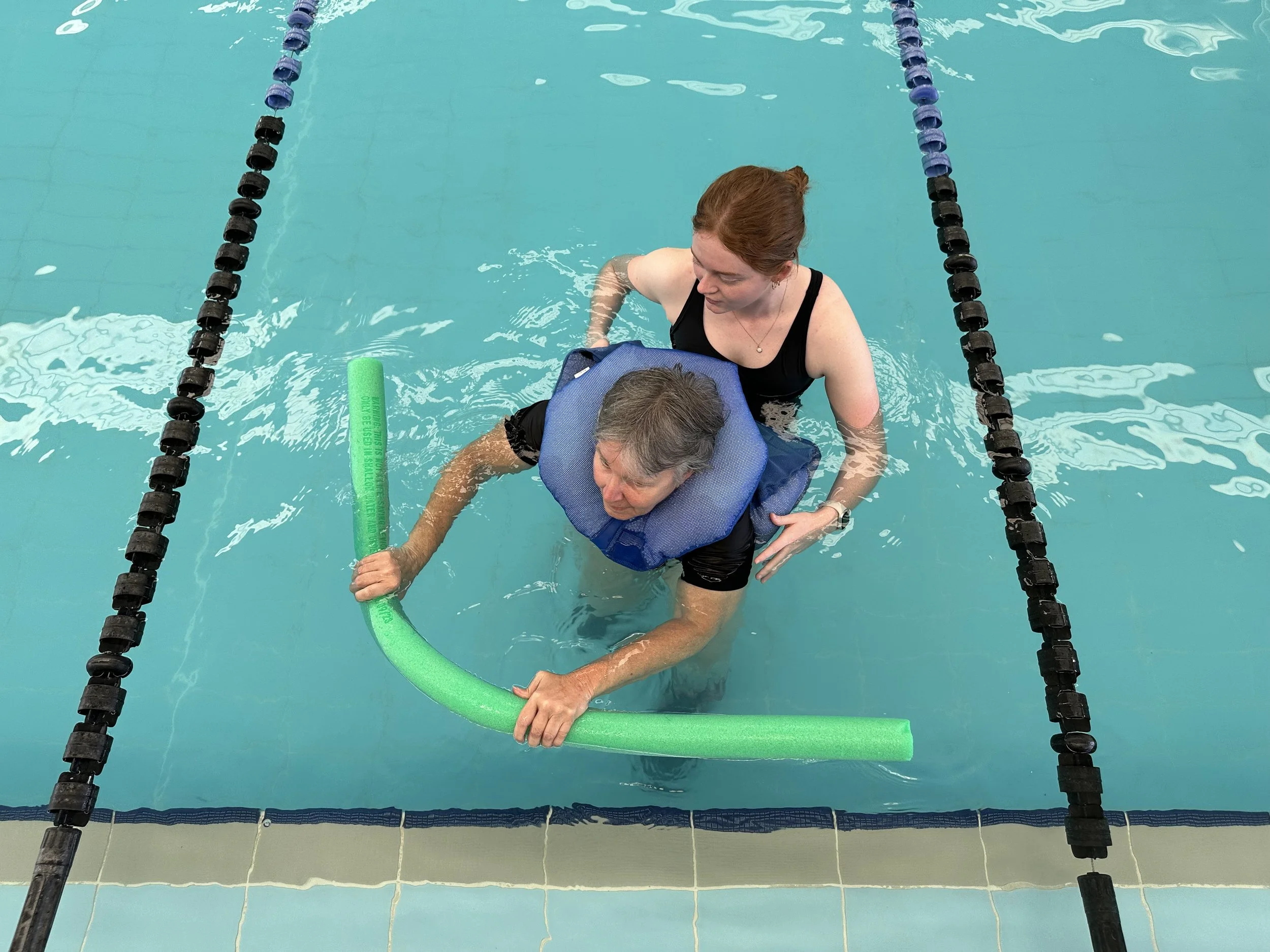
Hydrotherapy, also called aquatic or water therapy, is physical exercise performed in the water, often at a warmer temperature. It is a very popular and effective form of therapy for numerous neurological conditions and general rehabilitation.
The special properties of water that influence the success of hydrotherapy include;
Buoyancy – reduces the pressure on joints
Hydrostatic pressure – increases circulation
Viscosity of water - providing constant feedback/sensory cues and resistance to movement.
Hydrotherapy is different from regular swimming as clients receive tailored programs and assistance based off their presenting condition and clinical needs. Pools are selected by our therapists to ensure your safety and all requirements are available for use; such as adequate heating, water wheelchair access, ramps and accessible toilets/changeroom, and proximity to your home. Our therapists can provide training to support workers or family so that you can complete a programme outside of physiotherapy.
Some conditions that may benefit from hydrotherapy include but are not limited to; traumatic brain injury, spinal cord injury, stroke, multiple sclerosis, Parkinson’s disease, high falls risk, joint replacement, rheumatologic conditions (such as osteoarthrosis and ankylosing spondylitis) and fibromyalgia.
What are the general benefits of hydrotherapy?
-
Due to water buoyancy, there is a reduced load placed on joints whilst in the water. This is an extremely beneficial effect of hydrotherapy for numerous conditions and people experiencing pain.
-
Warm water helps to provide relaxation to muscles and results in a reduction of muscle spasm and pain. The warmth of the water also promotes vasodilation of vessels, increasing blood flow and helping aid in the healing process.
-
Numerous studies highlight the benefit of hydrotherapy in balance training. It provides a safe environment and constant sensory cues, also aiding in improvement of coordination.
-
Improves both muscular and cardiovascular endurance
-
The viscosity of the water provides gentle constant resistance, aiding in building muscle strength. Hydrotherapy can also aid in gait rehabilitation and other functional tasks such as your ability to stand, go up and down stairs, and higher-level functional mobility and agility.
-
Exercising in the water is a natural stress relief and provides an endorphin release, thus providing a reduction in pain! Studies show that an 8-week hydrotherapy program can improve the quality of life in multiple sclerosis patients; as well as showing psychological, motivational and emotional effects.
Our physiotherapists at Neuro Junction are trained in delivering an individualised hydrotherapy programme. If you wish to explore the option of hydrotherapy further, please contact us.
Numerous pools are available in the Gold Coast and Northern NSW area and we can work with your needs to identify the most appropriate centre.
Reference list
Amedoro, A., Berardi, A., Conte, A., Pelosin, E., Valente, D., Maggi, G., Tofani, M. and Galeoto, G. (2020). The effect of aquatic physical therapy on patients with multiple sclerosis: A systematic review and meta-analysis. Multiple Sclerosis and Related Disorders, 41, p.102022. doi:https://doi.org/10.1016/j.msard.2020.102022.
Anon, (2021). Benefits of warm water exercise for Parkinson’s | Parkinsons NSW. [online] Available at: https://www.parkinsonsnsw.org.au/benefits-of-warm-water- exercise-for-parkinsons/.
Berger, P. (2019). A review of physical modalities and the potential to expand the treatment of patients with traumatic brain injury. Acupuncture in Medicine, 37(6), pp.365–369. doi:https://doi.org/10.1177/0964528419844264.
Kesiktas, N., Paker, N., Erdogan, N., Gülsen, G., Biçki, D. and Yilmaz, H. (2004). The Use of Hydrotherapy for the Management of Spasticity. Neurorehabilitation and Neural Repair, 18(4), pp.268–273. doi:https://doi.org/10.1177/1545968304270002.
McVeigh, J.G., McGaughey, H., Hall, M. and Kane, P. (2008). The effectiveness of hydrotherapy in the management of fibromyalgia syndrome: a systematic review. [online] www.ncbi.nlm.nih.gov. Centre for Reviews and Dissemination (UK). Available at: https://www.ncbi.nlm.nih.gov/books/NBK75722/.
Mooventhan, A. and Nivethitha, L. (2014). Scientific evidence-based Effects of Hydrotherapy on Various Systems of the Body. North American Journal of Medical Sciences, [online] 6(5), p.199. doi:https://doi.org/10.4103/1947- 2714.132935.
Recio, A.C., Stiens, S.A. and Kubrova, E. (2017). Aquatic-Based Therapy in Spinal Cord Injury Rehabilitation: Effective Yet Underutilized. Current Physical Medicine and Rehabilitation Reports, 5(3), pp.108–112. doi:https://doi.org/10.1007/s40141- 017-0158-5.
Turner, A., Chander, H. and Knight, A. (2018). Falls in Geriatric Populations and Hydrotherapy as an Intervention: A Brief Review. Geriatrics, [online] 3(4), p.71. doi:https://doi.org/10.3390/geriatrics3040071.
Waller, B., Ogonowska-Słodownik, A., Vitor, M., Rodionova, K., Lambeck, J., Heinonen, A. and Daly, D. (2016). The effect of aquatic exercise on physical functioning in the older adult: a systematic review with meta-analysis. Age and Ageing, [online] 45(5), pp.594–602. doi:https://doi.org/10.1093/ageing/afw102.