
Pulmonary Fibrosis: How Physiotherapy Can Help You Stay Active
Pulmonary fibrosis (PF) is a progressive lung disease that causes scarring of the lungs, making it difficult to breathe and stay physically active. While there is currently no cure, physiotherapy can play an important role in helping people maintain their mobility, independence, and quality of life.
Pulmonary fibrosis occurs when the lung tissue becomes scarred and stiff. Healthy lungs expand easily and allow oxygen to move into the bloodstream. As scarring develops, the lungs become less flexible and oxygen transfer is reduced, leading to breathlessness, fatigue, and reduced exercise tolerance.
Common Causes and Risk Factors:
Idiopathic pulmonary fibrosis (no known cause)
Autoimmune / connective tissue diseases such as rheumatoid arthritis, scleroderma, or lupus
Environmental and occupational exposure to pollutants (e.g. asbestos, silica, or coal)
Certain medications or previous chest radiation
60 years or older
Smoking
Common Symptoms
Symptoms often develop gradually and may include:
Shortness of breath, especially during activity
Persistent dry cough
Fatigue
Reduced walking distance
Difficulty climbing stairs
Reduced confidence with everyday activities
As symptoms worsen, many people become less active, resulting in muscle weakness, reduced fitness, and an increased risk of falls.
How Can Physiotherapy Help?
Although physiotherapy cannot reverse lung scarring, it can help you stay active, improve physical function, and better manage symptoms.
Exercise is one of the most effective treatments for maintaining function in people with pulmonary fibrosis.
A tailored program may include:
Aerobic exercise such as walking or cycling to improve endurance.
Strength training to maintain muscle mass and make everyday activities easier.
Balance exercises to reduce falls risk, particularly in older adults.
Flexibility and mobility exercises to maintain movement and posture.
Your physiotherapist will monitor your symptoms and oxygen levels to ensure exercise is safe and appropriate.
Pulmonary Rehabilitation:
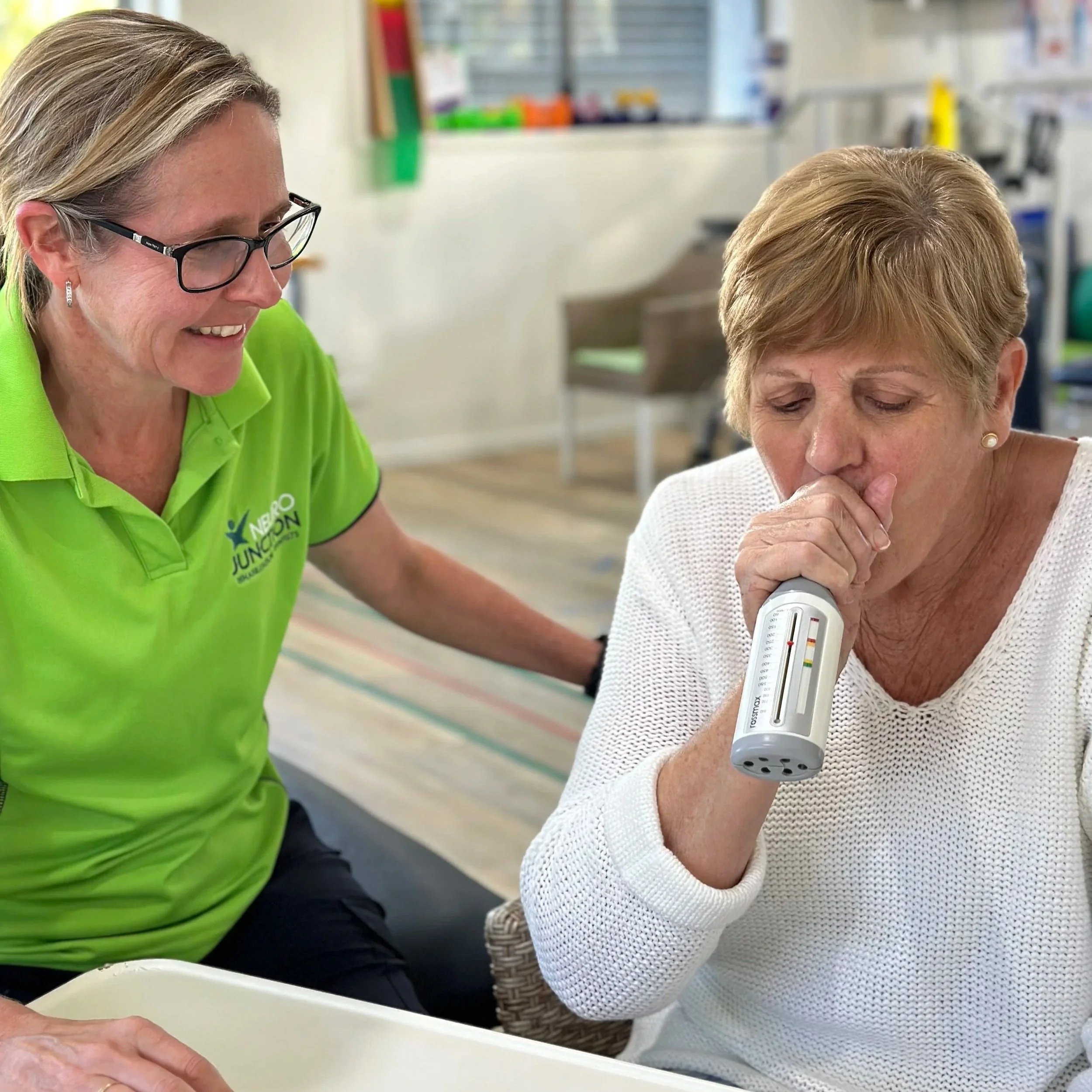
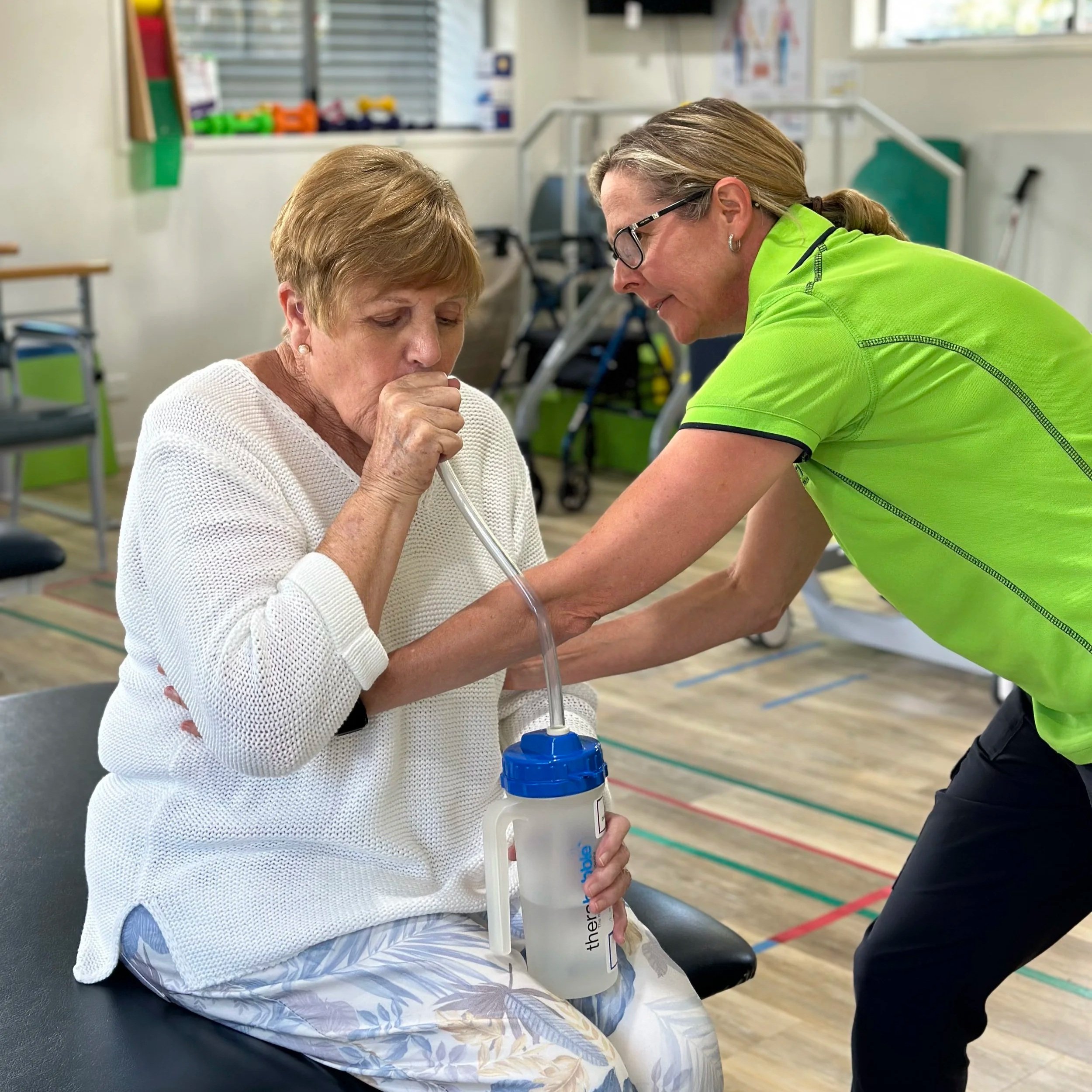
Learning strategies to manage breathlessness can improve confidence during daily activities.
These may include:
Breathing control techniques
Chest wall mobility exercises
Body positioning techniques
Inspiratory muscle strengthening
Activity pacing
Energy conservation strategies
These techniques help reduce the sensation of breathlessness and make everyday tasks more manageable.
When Should You See a Physiotherapist?
You may benefit from physiotherapy if you notice:
Increasing breathlessness with walking
Reduced endurance or strength
Difficulty completing daily activities
Falls or reduced balance
Loss of confidence with mobility
Early intervention can help maintain independence and slow the cycle of inactivity and physical decline.
Take Home Message
While pulmonary fibrosis is a progressive condition, staying physically active remains one of the best ways to preserve mobility and quality of life. Physiotherapy provides safe, individualised exercise programs, education, and practical strategies to help you manage symptoms and continue doing the activities that matter most.
If you or a loved one has pulmonary fibrosis and would like support to remain active and independent, our neurological and geriatric physiotherapy team is here to help.