
Reclaiming Hand Function: Physiotherapy and OT Post-Stroke
Reclaiming Hand Function: Physiotherapy and OT Post-Stroke
After a stroke, everyday tasks like buttoning a shirt, holding a cup, or typing can suddenly feel challenging. Many people notice changes in hand dexterity, but the good news is that with the right support, you can regain strength, coordination, and confidence in your hands.
How Stroke Can Affect Your Hands
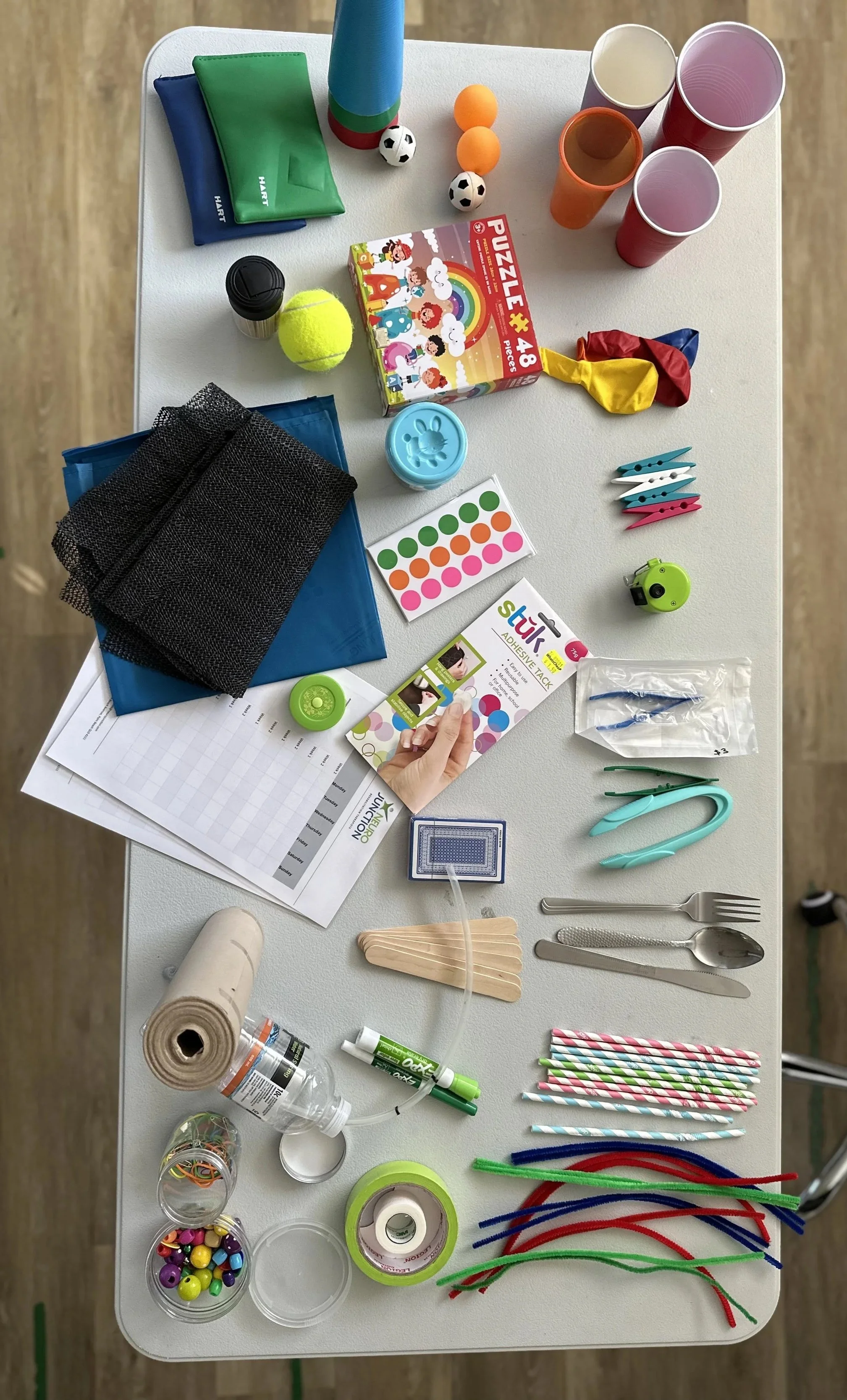
A stroke can impact the brain’s ability to control fine movements, leading to:
A weaker grip or difficulty holding things
Fingers that don’t move together smoothly
Trouble with precise tasks like writing, typing, or picking up small items
Stiffness or tightness in the hand and wrist
These changes can make daily life more frustrating, but you’re not alone—there are ways to rebuild hand function.
How Physiotherapy Can Help
Physiotherapists help your hands get stronger and more coordinated through:
Hand and finger exercises: Gentle stretching, strengthening, and moving exercises
Task-focused practice: Doing everyday activities like picking up coins or turning pages
Mirror therapy: Using the unaffected hand to help retrain the brain
Constraint therapy: Encouraging use of your affected hand while limiting the other hand
Electrotherapy: Using mild electrical stimulation to improve muscle activation and support movement recovery
How Occupational Therapy Can Help
Occupational therapists focus on making daily tasks easier and getting you back to doing what you love:
Tools and adaptations: Special grips, utensils, splints, adaptive keyboards, writing aids, and other equipment designed to support hand function and make everyday tasks more manageable
Task retraining: Breaking activities like dressing, cooking, or typing into simple steps
Sensory practice: Improving touch and hand awareness
Environment tweaks: Adjusting your home or work space to make tasks safer and easier