
Understanding Tenodesis Grip in Spinal Cord Injury
For people with tetraplegia after a spinal cord injury, regaining hand function is a key goal. The tenodesis grip is a simple but powerful technique that allows grasp and release without active finger movement.
What is Tenodesis?
Tenodesis is a natural biomechanical effect where wrist movement creates “passive” finger movement:
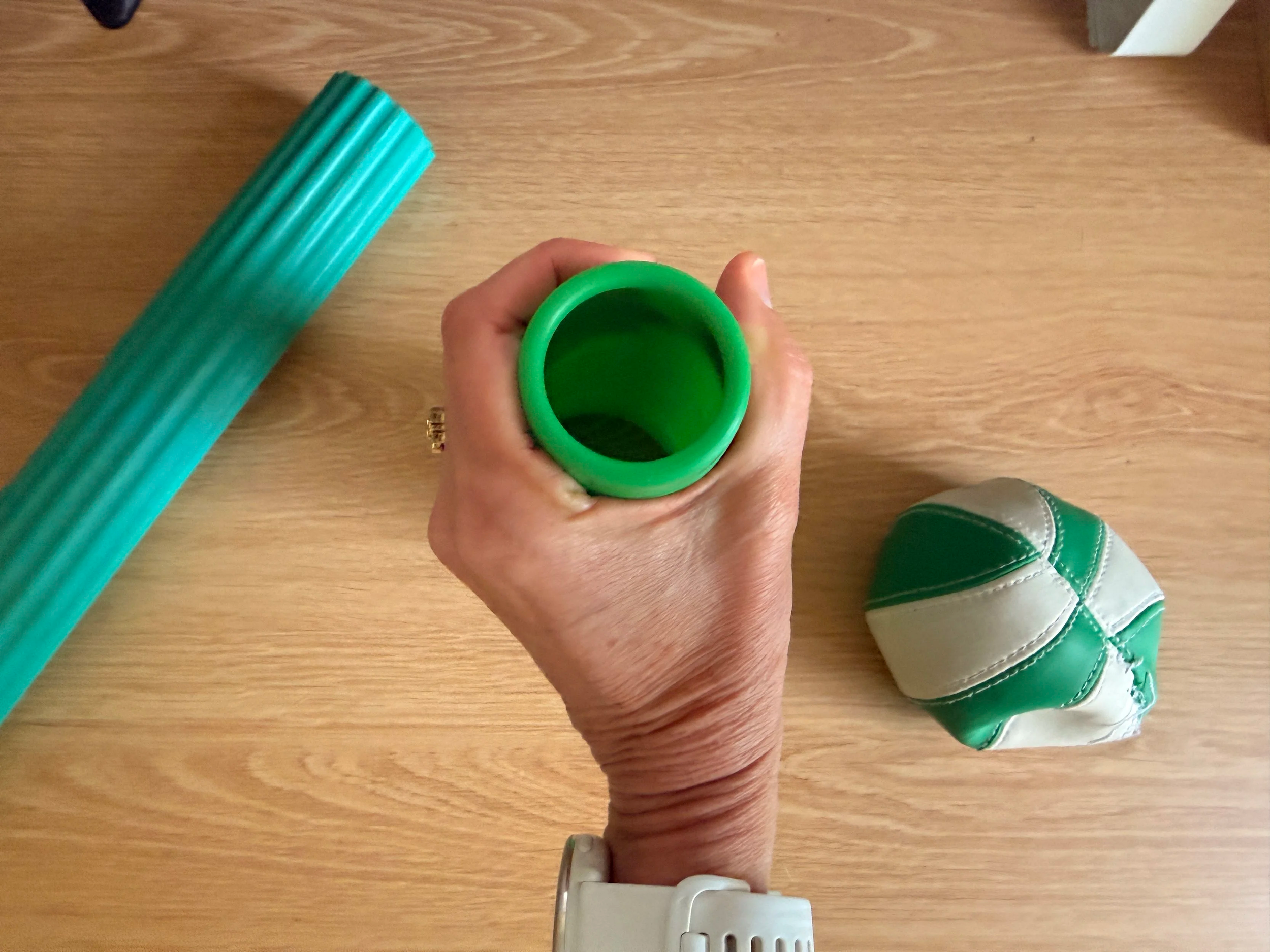
Wrist extension (bending wrist backwards) → fingers and thumb flex into the palm, allowing the person to grasp an object
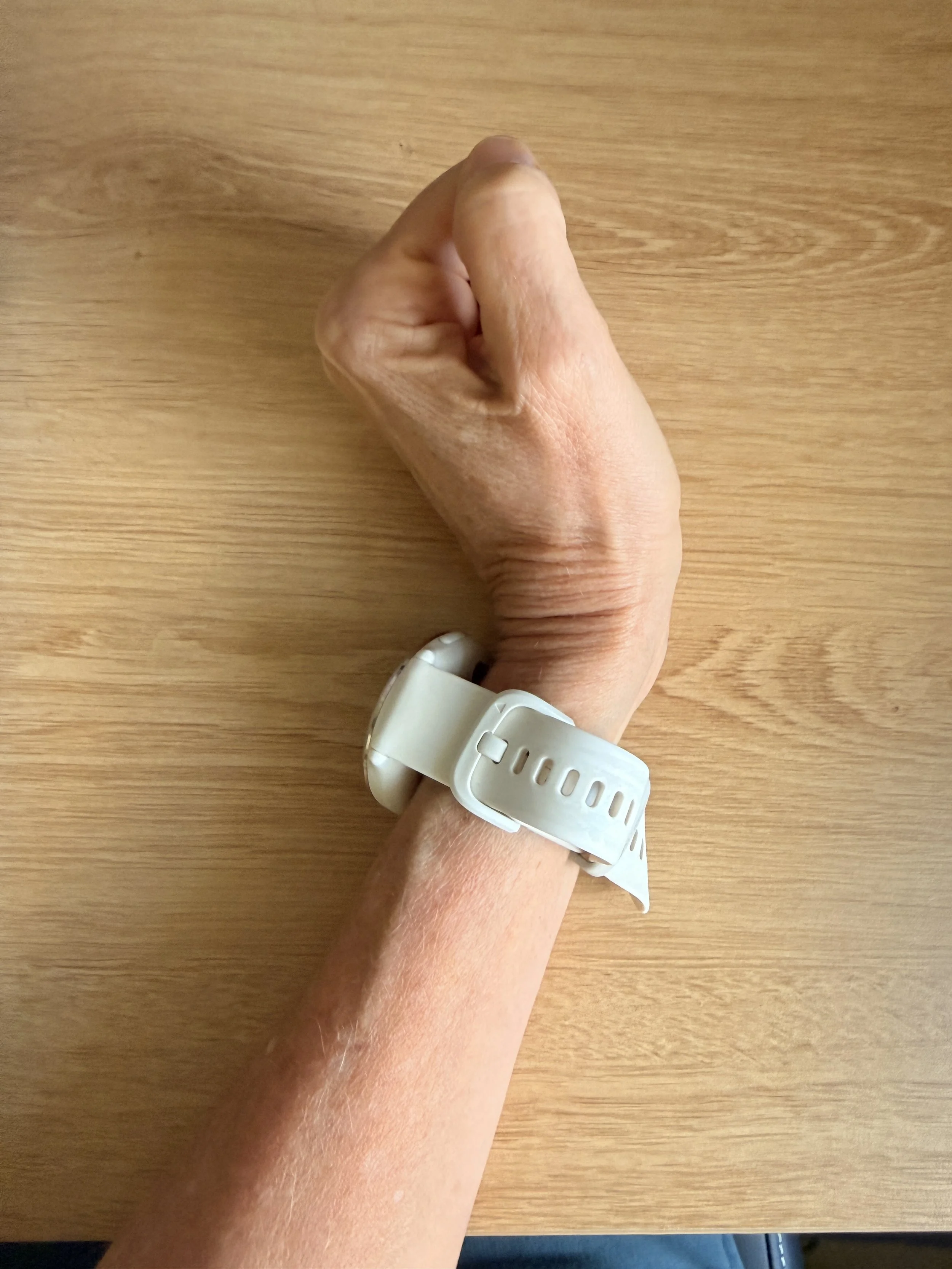
Wrist flexion (bending wrist forwards) → fingers and thumb open, allowing the person to release an object
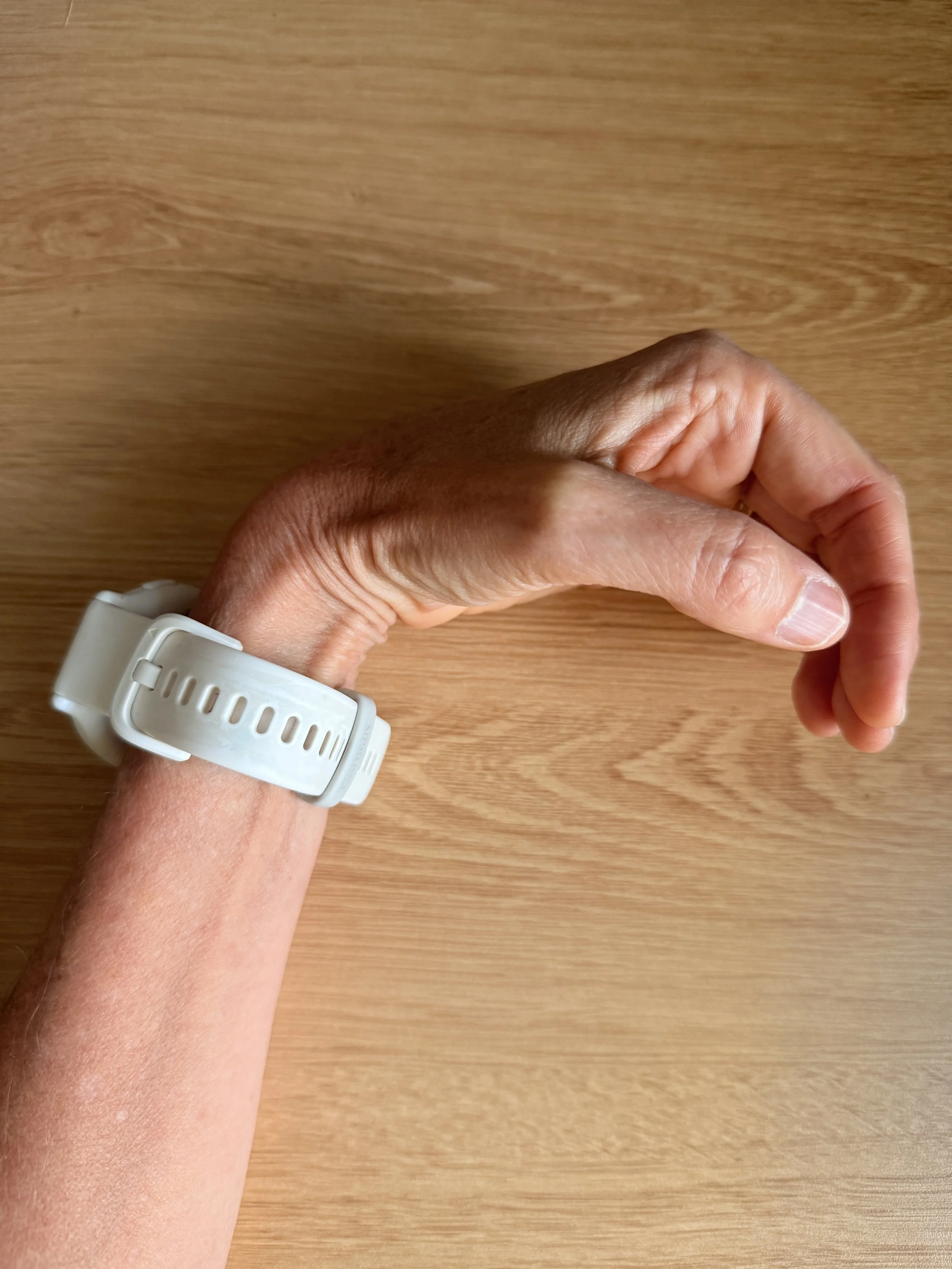
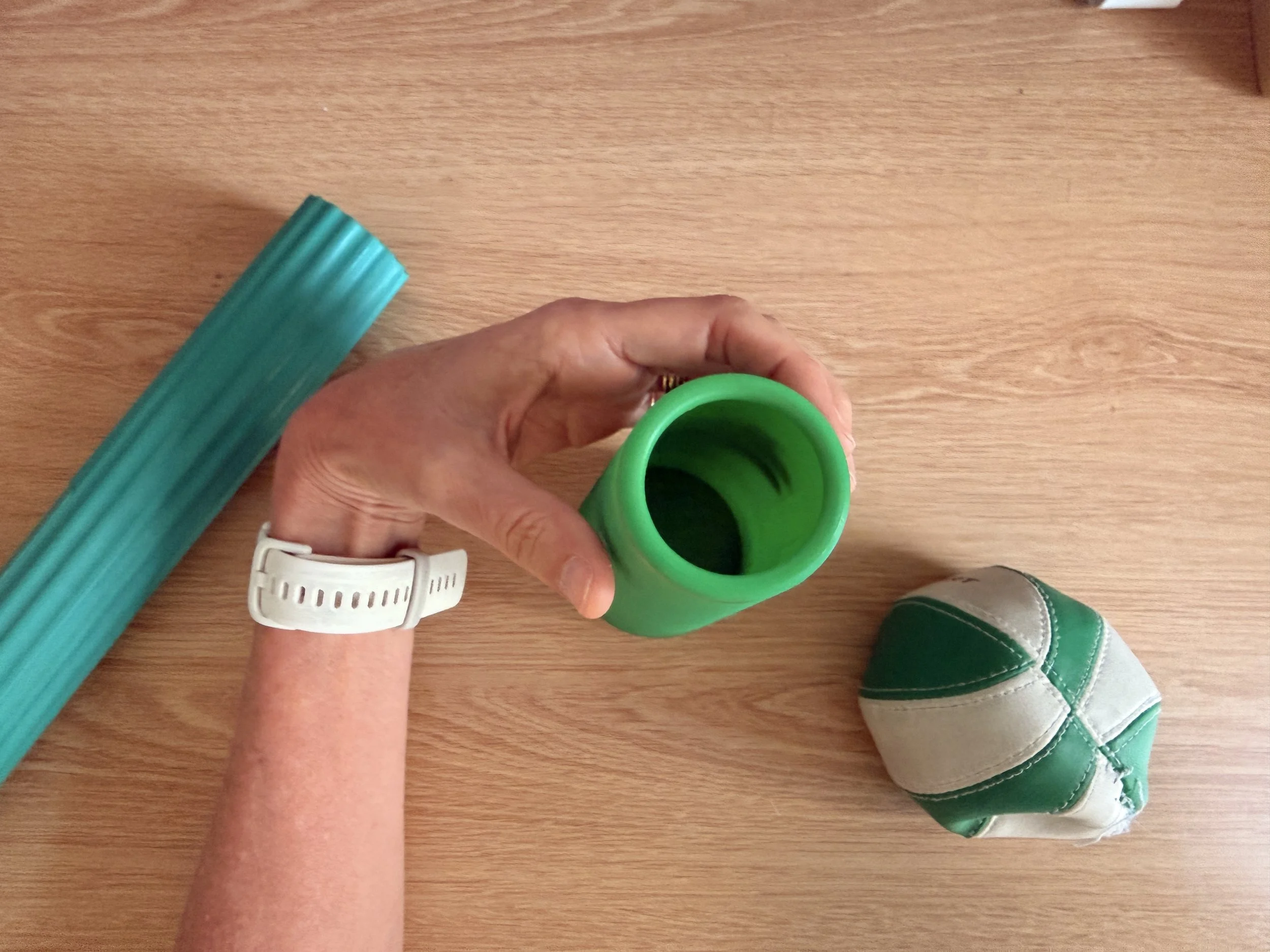
This occurs due to tension in the finger flexor tendons and can be used to create functional grasp.
Who Benefits?
Tenodesis grip is most useful for:
C6 tetraplegia – active wrist extension, no finger movement
C7 tetraplegia – may combine tenodesis with emerging hand use
Some people with C5 injuries may use a modified version via forearm rotation, though splinting is often more effective. It is less relevant for C8, where active finger movement is present.
Why It Matters
A functional tenodesis grip helps people:
Hold objects between thumb and index finger
Stabilise items in the palm
Perform everyday tasks like eating, grooming, and phone use
This can greatly improve independence.
Key Principles for Development
Protect tendon length – avoid overstretching finger flexors
Avoid harmful positions – limit weight-bearing on extended wrists and aggressive stretching
Manage swelling and tone – supports tendon glide and control
Use splints when needed – to optimise wrist position
Education is essential – learning how to use and protect the grip daily
Important Tip
Stretching the fingers fully straight may seem helpful—but it can actually reduce the effectiveness of tenodesis by decreasing tendon tension.
Tenodesis grip is a cornerstone of upper limb rehabilitation in spinal cord injury. With the right guidance and practice, it can unlock meaningful independence. Our physio and OT team can support you with tailored, evidence-based strategies to maximise hand function.