Stiff Person Syndrome: Understanding a Rare Neurological Condition
Stiff Person Syndrome (SPS) is a rare, progressive autoimmune neurological disorder that causes muscle stiffness, rigidity, and painful muscle spasms. Although awareness has increased following the diagnosis of singer Céline Dion, SPS remains poorly understood and is frequently misdiagnosed.
SPS affects approximately 1–2 people per million people and is more common in women, typically developing between the ages of 30 and 60 years. The condition sits within a broader group of disorders known as Stiff Person Spectrum Disorders (SPSD), which can vary significantly in severity and presentation.
What Causes Stiff Person Syndrome?
SPS is believed to occur when the immune system mistakenly attacks parts of the nervous system responsible for controlling muscle activity.
Key features include:
Most commonly associated with anti-GAD65 antibodies
Reduced activity of GABA, an important neurotransmitter that helps regulate muscle movement
Continuous overactivity of muscles, resulting in stiffness and spasms
May be associated with other autoimmune conditions, including:
Type 1 Diabetes
Thyroid disorders
Pernicious anaemia
Rarely, SPS can occur as part of a cancer-related (paraneoplastic) syndrome
Common Signs and Symptoms
People with SPS may experience:
Progressive muscle stiffness and rigidity
Stiffness affecting the trunk and proximal limbs
Difficulty walking and reduced mobility
Painful muscle spasms that may cause falls
Changes in posture, including increased arching of the lower back
Difficulty with balance and functional activities
Anxiety and fear related to the unpredictability of symptoms
Depression and reduced participation in daily activities
Common triggers include:
Sudden loud noises
Unexpected touch
Emotional stress
Overstimulation
Diagnosis and Treatment
SPS is often difficult to diagnose because symptoms can resemble many other neurological and musculoskeletal conditions. Diagnosis is based on a combination of clinical assessment, specialised testing such as EMG, antibody testing, and investigations to rule out other causes.
While there is currently no cure, treatment aims to reduce symptoms and slow disease progression. Management may include immunotherapy treatments such as IVIg, corticosteroids, plasma exchange or rituximab, alongside medications that help reduce muscle stiffness and spasms, including baclofen and benzodiazepines.
The Role of Physiotherapy
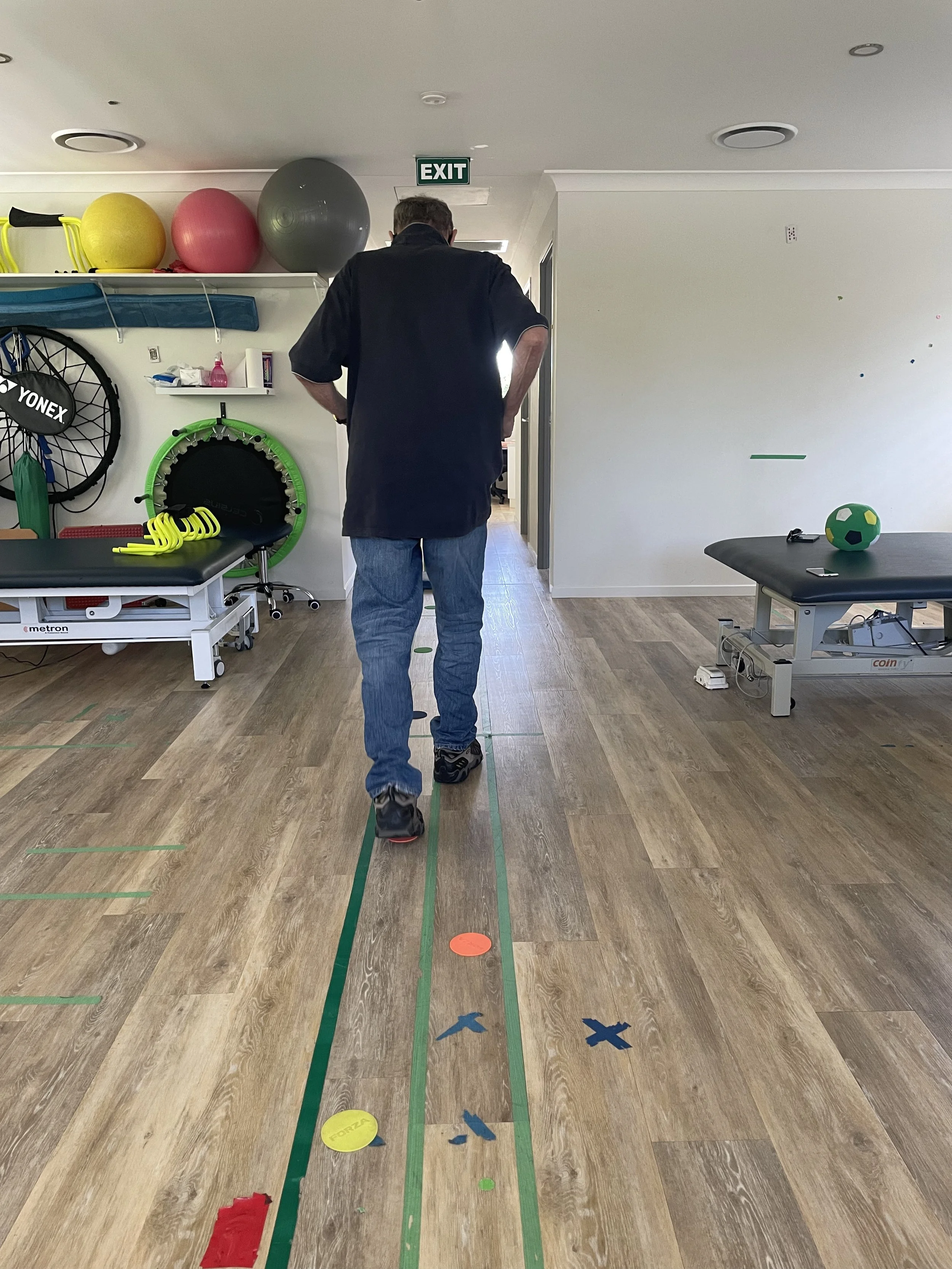
Physiotherapy can play an important role in helping people maintain mobility, function, and quality of life.
Physiotherapy goals
Maintain mobility and independence
Reduce pain and stiffness
Improve safety and reduce falls risk
Prevent deconditioning and secondary complications
Physiotherapy interventions
Gentle stretching
Passive range of movement exercises
Heat therapy and hydrotherapy
Relaxation and breathing techniques
Functional mobility training
Transfer and stair practice
Individualised exercise programs
Important considerations
To minimise symptom flare-ups, physiotherapists should:
Identify individual triggers before treatment
Use slow, predictable handling techniques
Allow adequate rest periods
Monitor closely for spasm onset
Avoid rapid movements, high-intensity strengthening, cold therapy, and overstimulating environments
The Role of Occupational Therapy
Occupational therapists support people with SPS to remain independent and engaged in meaningful daily activities.
Interventions may include:
Energy conservation and pacing strategies
Task simplification
Prescription of adaptive equipment
Home modifications and falls prevention
Education regarding trigger management
Support for anxiety and confidence with daily activities
A Multidisciplinary Approach is Essential
Because SPS symptoms can fluctuate and affect multiple aspects of a person's life, management is most effective when delivered by a multidisciplinary team. Early diagnosis, appropriate medical treatment, and individualised rehabilitation can help people with SPS maintain function, improve safety, and maximise their quality of life.
At Physio Express, our team of neurological physiotherapists and occupational therapists work closely with clients living with complex neurological conditions to provide evidence-based, person-centred care that supports their goals and independence.